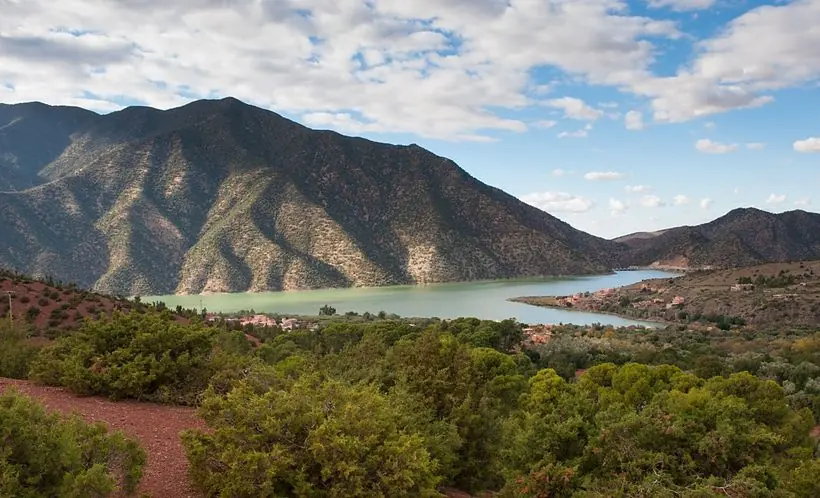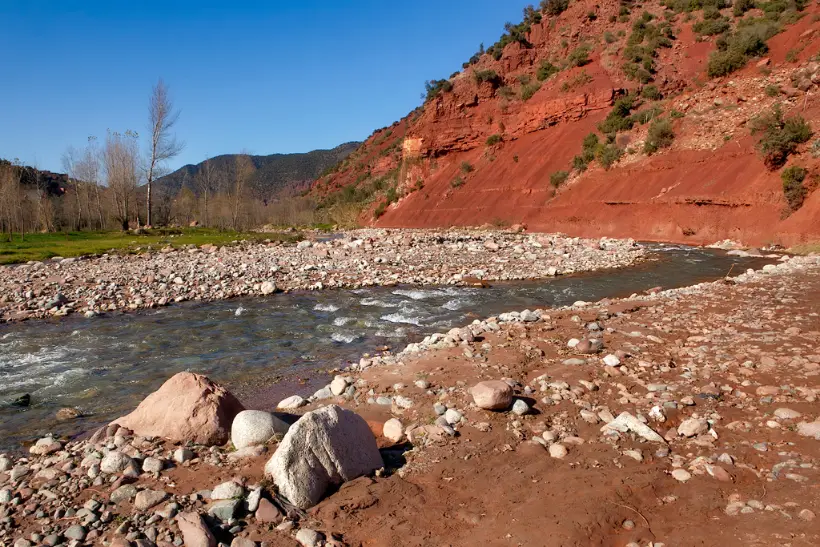
Birdwatching in Morocco is among the richest in North Africa: the country lies on a major migration route between Europe and Africa and is home to several species found only in the Maghreb, such as Moussier's redstart. In the High Atlas, the Ouirgane valley packs a lake, orchards, juniper forests and cliffs into a few kilometres at around 1,000 m, making it ideal whether you are a beginner or adding to a long list.
Key facts
- Key periods: spring migration (March–May) and autumn migration (September–October)
- Atlas specialities: Moussier's redstart, Levaillant's woodpecker, African blue tit
- Summer visitor: the European bee-eater, from roughly April to September
- Best times: the two hours after sunrise and late afternoon
- Kit: 8x42 or 10x42 binoculars, a field guide covering North Africa, the eBird or Merlin app
- Access: Ouirgane is about 1 h 15 from Marrakech
Why is Morocco such a good birding destination?
Morocco packs a remarkable range of habitats into a compact area: Atlantic and Mediterranean coasts, wetlands, the Atlas Mountains and the edge of the Sahara. Every spring and autumn, millions of migrating birds pass between Europe and sub-Saharan Africa, notably across the Strait of Gibraltar. Add a handful of Maghreb endemics you will not find in Europe, and you have what makes birdwatching in Morocco so rewarding.
The High Atlas has the advantage of being easy to reach: within an hour's drive of Marrakech you move from the plain to mountain forests, with each altitude band holding its own species.
Which birds can you see around Ouirgane?
Sightings vary with the season, the time of day and the lake level. Here are the species most often sought in this kind of habitat.
In gardens and orchards
The noisy, confiding common bulbul, the hoopoe with its orange crest and the house bunting, which happily nests in villages, are frequent encounters. Levaillant's woodpecker, a Maghreb endemic, favours the old trees of the valleys.
On slopes and in forests
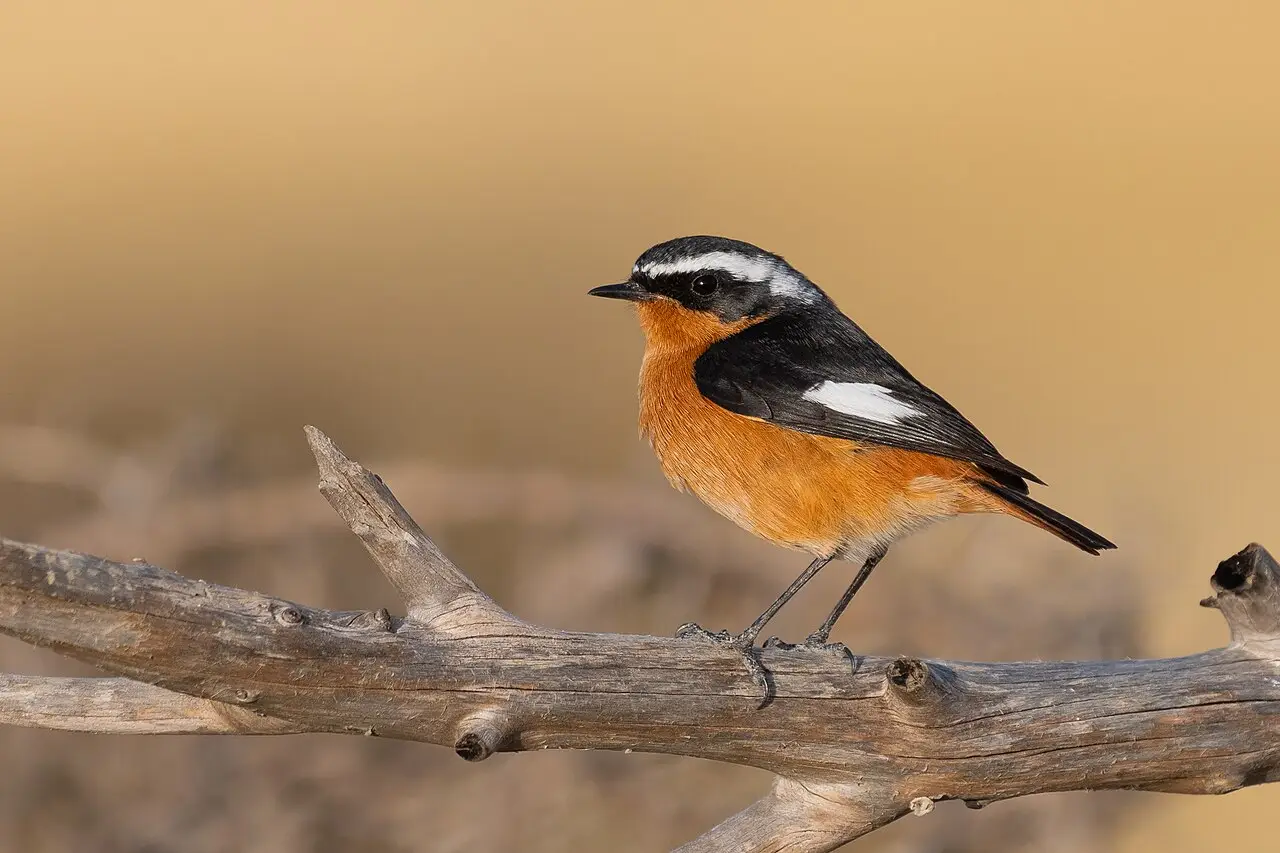
Scrubby hillsides and juniper forests are home to Moussier's redstart, a small orange-and-black passerine, the blue-and-yellow African blue tit and the Barbary partridge. Cliffs attract the black wheatear and, higher up, Alpine and red-billed choughs.
By the lake
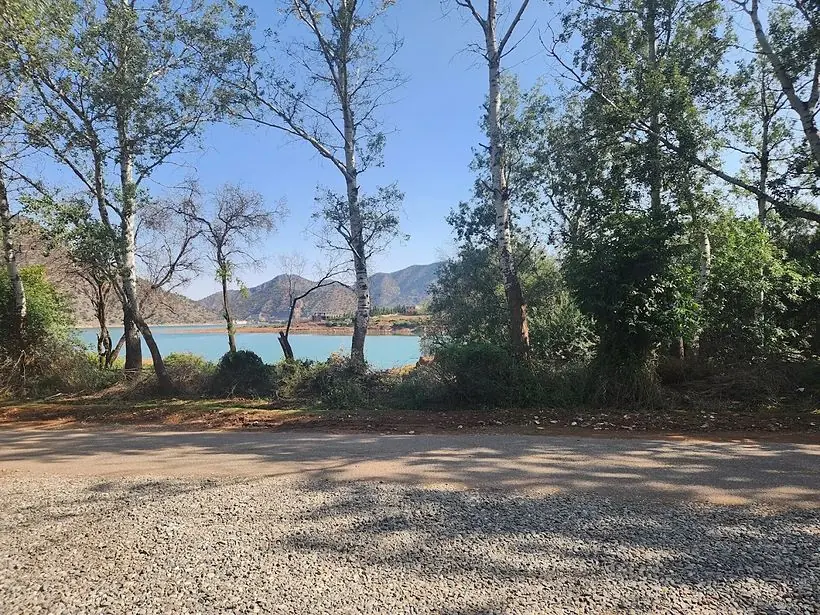
Depending on the water level, Lake Ouirgane can attract grey herons, little egrets and great cormorants. To find out more about the reservoir, read our article on Lake Ouirgane.
In the sky
In spring and summer, European bee-eaters hunt insects in colourful flocks. Raptors such as the booted eagle and the long-legged buzzard regularly patrol the ridges, with their presence varying by season.
When is the best time for birdwatching in the High Atlas?
Spring is the best season: birds are singing, nesting and easy to spot, while migrants head back north to Europe. Autumn brings a second wave of passage, on quieter trails. In winter, some mountain species move down into the valleys, which can make them easier to see. In summer, focus on the first hours of the day: by late morning the heat makes birds secretive. Bear in mind that migration timing shifts a little from year to year with the weather, so recent sightings shared online are a useful guide.
Where else can you go birding in Morocco?
Ouirgane can be part of a wider trip. Among the best-known sites for birders:
- Oukaïmeden, above 2,600 m, for high-mountain species such as the crimson-winged finch;
- Souss-Massa National Park, near Agadir, famous for the endangered northern bald ibis;
- Merja Zerga lagoon, at Moulay Bousselham, for waders and wintering flamingos;
- the Boumalne Dadès and Merzouga areas, for steppe and desert species.
Check access conditions, which can change, especially in protected areas.
What kit do you need?
A pair of 8x42 or 10x42 binoculars covers most needs. Add a field guide covering North Africa, or an app such as Merlin for identification and eBird to log your sightings and share them with the scientific community. Neutral-coloured clothing, a hat, water and good shoes complete the kit. Photographers will appreciate a telephoto lens of at least 300 mm.
How do you watch birds responsibly?
- Keep your distance, especially near nests, and never flush a bird on purpose.
- Avoid playing recorded calls during the breeding season.
- Stay on paths and respect fields and private gardens.
- Do not feed wild animals.
- Always ask before photographing a person or a house.
- Check the drone rules, which are strictly controlled in Morocco.
The valley lies at the gateway to Toubkal National Park, home to other iconic animals too: meet them in our article on the Barbary sheep and Atlas wildlife.
Why stay in Ouirgane for birdwatching in Morocco?
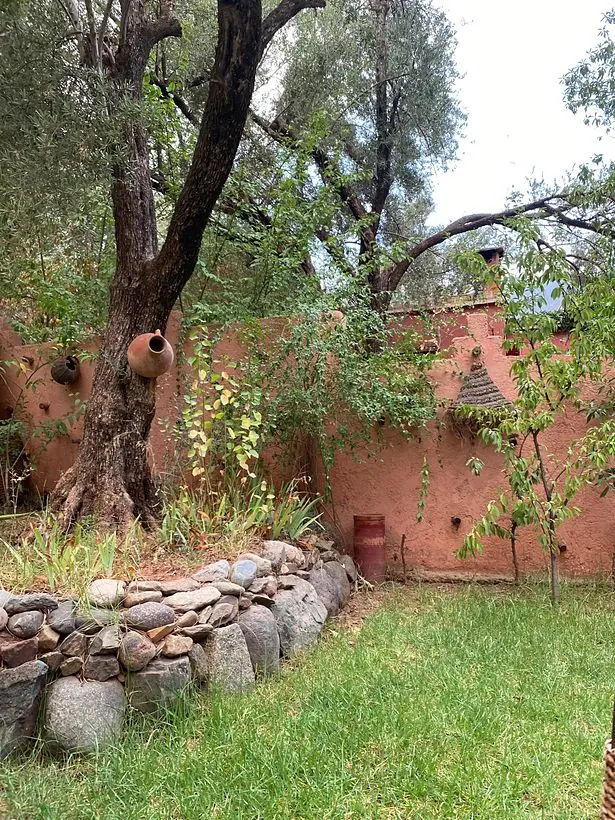
Staying overnight puts you in the field at the best hours, at dawn and in the late afternoon, without the drive from Marrakech. Our family-run auberge, with just four suites on the shore of Lake Ouirgane, has a tree-filled garden and terraces overlooking the lake and mountains, where the binoculars can come out at breakfast. We also organise hikes with a local guide in the valley; if you are looking for a specialist birding guide, just ask us. To plan the rest of your stay, see our complete guide to Ouirgane.
Read next: Ouirgane Day Trip from Marrakech: the Perfect Itinerary
How do you book your nature stay?
Binoculars ready? Book your lakeside suite direct, with no middleman and no online payment, or message us on WhatsApp to plan your stay.
Frequently asked questions
When is the best time for birdwatching in Morocco?
Spring, from March to May, is generally the best time, as it combines migration, song and nesting. Autumn, from September to October, brings a second migration peak, while winter is good for waterbirds on the coastal lagoons.
What is a Moussier's redstart?
It is a small passerine endemic to North Africa, found in Morocco, Algeria and Tunisia. The male has a bright orange breast, a black head with a white stripe and a white wing patch, and it is often seen in scrubby areas of the Atlas.
Do you need a guide for birdwatching in the Atlas Mountains?
It is not compulsory for walks around the villages and the lake, but a local guide makes navigation and finding the right trails much easier. If you are targeting rare species, a specialist birding guide will save you a lot of time.
Can you use a drone to photograph birds in Morocco?
Importing and flying drones is tightly regulated in Morocco and normally requires prior authorisation. Drones also seriously disturb wildlife, especially during the breeding season, so check the current rules and use a telephoto lens instead.
Good tips from the High Atlas
One letter per season: hikes, Rachida’s recipes and early availability. No spam.