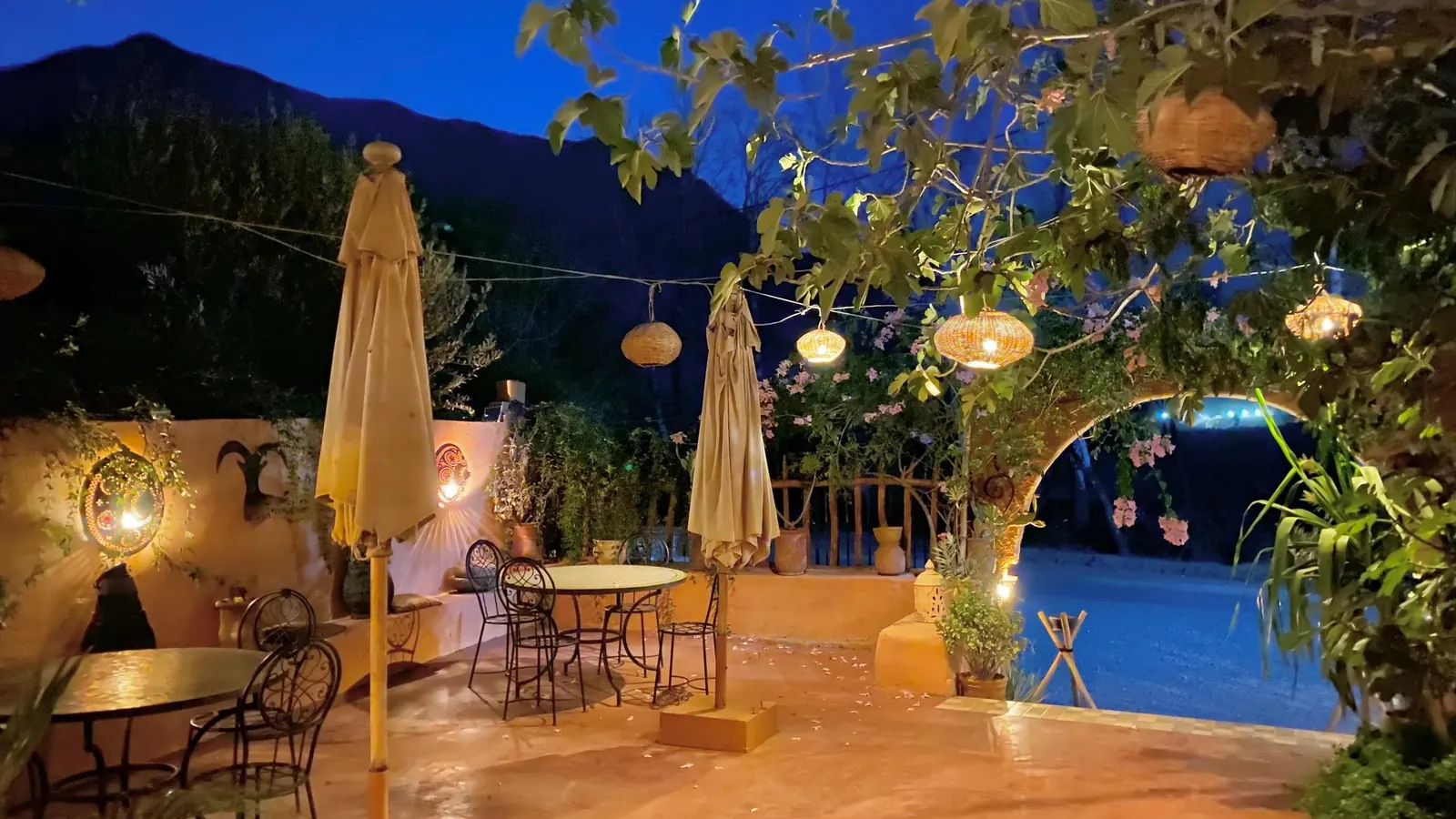
The most useful Morocco travel tips come down to a few simple habits: modest clothing in villages, cash in dirhams, a local SIM card, bottled water and plenty of courtesy. In the High Atlas, where life follows the rhythm of weekly souks and the seasons, these habits make your stay smoother and your encounters warmer.
Key facts
- Currency: the dirham (MAD), roughly 10.5 to 11 MAD to the euro and 12 to 13 to the pound; cash is essential in the mountains
- Languages: Darija, Tashelhit (Amazigh) and French, which is widely understood
- Plugs: 220 V, type C and E sockets, so UK visitors need an adaptor
- Time: GMT+1 for most of the year, back to GMT during Ramadan
- Emergencies: police 19, Royal Gendarmerie 177, civil protection 15
- Weekly souk in Asni: Saturday, roughly 15 km from Ouirgane
What should you wear in Atlas villages?
Outside the modern districts of Marrakech, it is best to cover shoulders and knees, for women and men alike. Loose cotton or linen clothes cope with the heat and are appropriate everywhere. A light scarf is handy against sun and dust, though not compulsory. Keep swimwear for the pool.
Pack layers: at around 1,000 m, Ouirgane has cool mornings, and winter evenings in the mountains are cold. A fleece, a windproof jacket and good walking shoes are essential for hiking.
Money, exchange and tipping: how should you organise it?
Dirhams are generally only available in Morocco, so withdraw or change money at the airport or in Marrakech, then keep small notes. Cards work in large hotels and city shops, rarely in villages. Keep your exchange receipts to change leftover dirhams back when you leave.
Tipping is customary: around 10% in restaurants, a few dirhams for a car park attendant, and something for your guide or muleteer at the end of a hike. To put figures on your stay, see our guide to the Atlas Mountains trip cost.
SIM cards and internet: how do you stay connected?
Three operators cover the country: Maroc Telecom, Orange and inwi. A prepaid SIM card is easy to buy at the airport or in a shop, showing your passport, and can be topped up with inexpensive data bundles. Coverage is usually fine along main roads but can drop in deep valleys and on trails. At the auberge, every suite has free Wi-Fi.
Can you drink the tap water in Morocco?
Tap water is treated in large cities, but many travellers prefer bottled or filtered water, especially for the first few days. In the mountains, never drink from a stream without treating the water. Wash your hands before meals, protect yourself from the stronger sun at altitude and take out travel insurance. For vaccinations and medication, ask your doctor or a travel clinic before you leave.
How do you greet people and respect local customs?
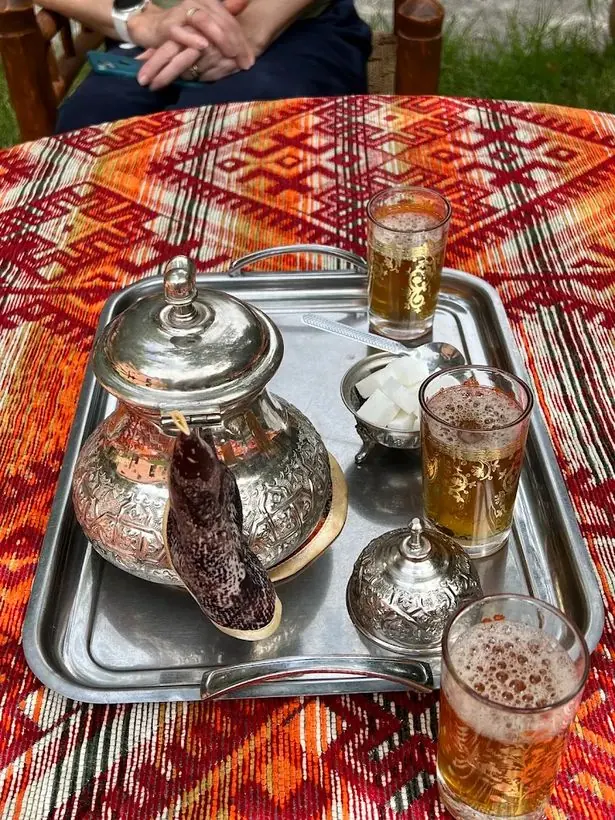
People greet each other with "salam alaykum" and a handshake, sometimes followed by a hand on the heart. In the Berber villages of the Atlas, an "azul" in Tashelhit always raises a smile. Use your right hand to eat, give or receive. Accepting the mint tea you are offered is a courtesy, even if you only drink one glass.
A few more pointers:
- Always ask before photographing someone, and accept a refusal with good grace.
- Avoid photographing police posts or military sites.
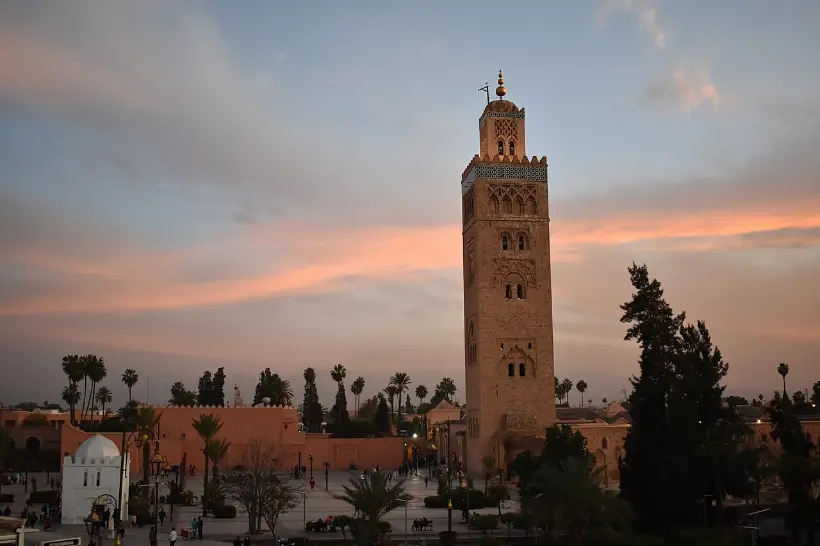
- Most working mosques are closed to non-Muslims, so admire them from outside.
- Bringing in a drone is strictly regulated, so check the current rules before you travel.
To break the ice, learn a few words with our list of useful Moroccan Arabic phrases.
Should you haggle in the souk?
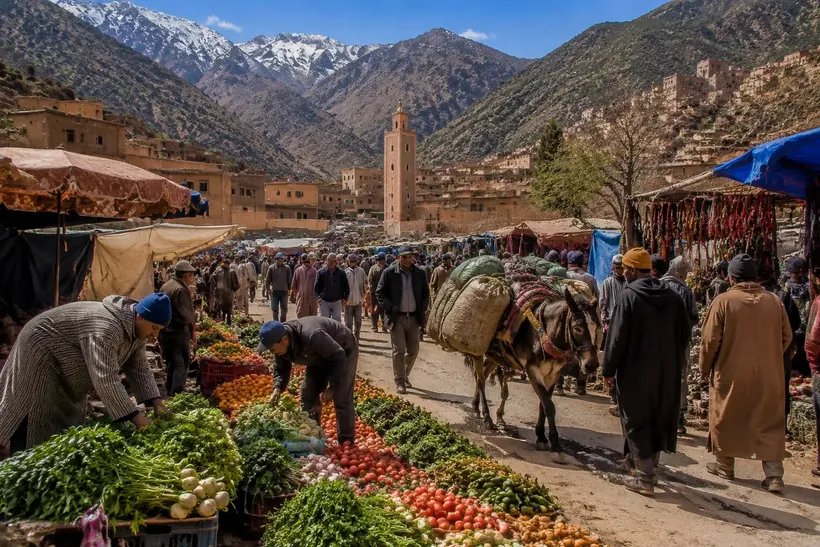
Yes, haggling is normal in souks and with craftspeople; it is not done in pharmacies, supermarkets or shops with marked prices. Stay cheerful, decide on your maximum price and do not start negotiating unless you intend to buy.
As for timing, Friday is the day of the main weekly prayer, so some shops close around midday. Rural souks are weekly; the one in Asni takes place on Saturdays, and it features among our activities from the auberge.
Which Morocco travel tips keep you safe?
Morocco is a generally safe and very popular destination. The main nuisances are fake guides and petty hustlers in the medinas: decline politely and keep walking. Keep valuables out of sight, avoid deserted alleys at night and use licensed taxis.
On the road, drive carefully: bends, animals and police checks are common in the mountains. When hiking, go with a local guide and tell your accommodation where you are heading. If you are travelling on your own, read our advice on solo female travel in Morocco.
Read next: Day Trips from Marrakech to the Atlas Mountains: the 5 Best
A relaxed stay in Ouirgane
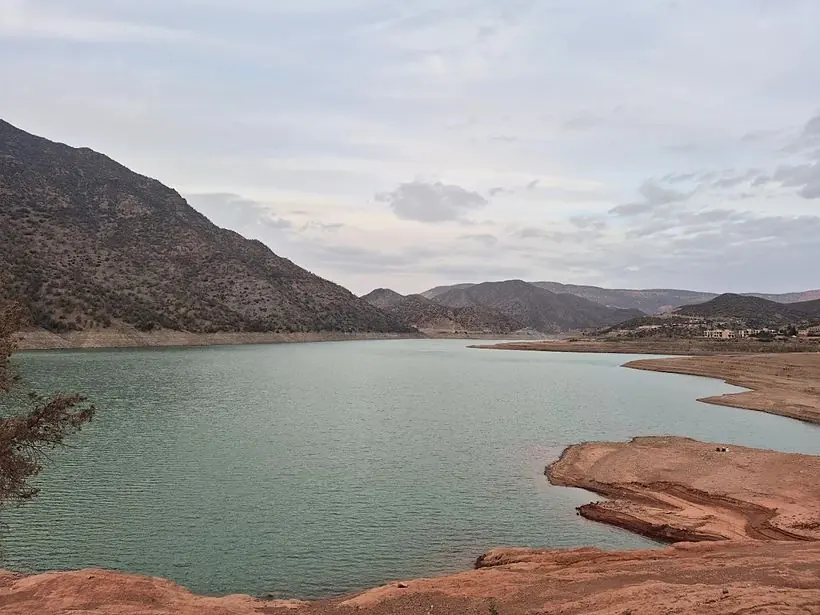
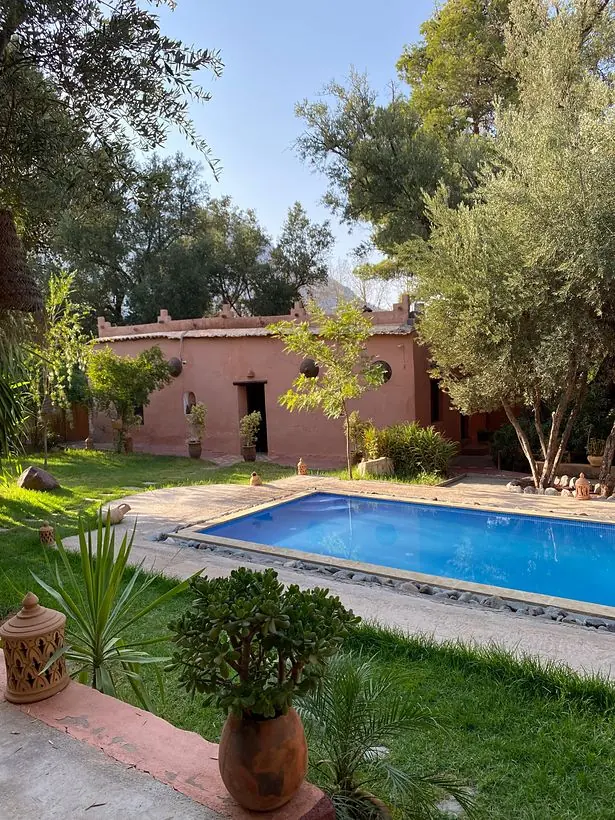
To put these Morocco travel tips into practice in peaceful surroundings, Auberge Le Mouflon, run by Abdellah and Rachida on the shore of Lake Ouirgane, makes an ideal base about 1 h 15 from Marrakech. Discover the auberge and its story, then book your Atlas stay direct, with no middleman and no online payment. Any questions before you travel? Message us on WhatsApp.
Frequently asked questions
When is the best time to visit Morocco?
Spring (March to May) and autumn (September to November) bring the most pleasant temperatures, both in Marrakech and the High Atlas. Summer is very hot on the plains but more bearable in the mountains, while winter brings cold weather and sometimes snow on the peaks.
Do you need a visa to visit Morocco?
Citizens of many countries, including the UK, Ireland, the USA and EU member states, can visit Morocco without a visa for a short tourist stay with a valid passport. As rules can change, check the current requirements with official sources before you book.
Is Morocco safe for tourists?
Yes, Morocco welcomes millions of visitors every year and remains a generally safe destination. The usual precautions are enough: be wary of fake guides, keep valuables discreet and take care on mountain roads.
What language is spoken in the High Atlas?
Around Ouirgane, the everyday language is Tashelhit, an Amazigh language, alongside Darija, Moroccan Arabic. French is widely understood by people working in tourism, and English increasingly so.
Good tips from the High Atlas
One letter per season: hikes, Rachida’s recipes and early availability. No spam.