A traditional hammam is a communal steam bath where you wash in stages: moist heat, black soap, a scrub with the kessa glove, a thorough rinse and sometimes a ghassoul clay mask. In Morocco it is a weekly social ritual rather than a luxury treatment, and it is easy to join in once you know the codes. Here are the steps, the etiquette and what to bring for a relaxed first visit.
Key facts
- Time needed: allow roughly 1 to 1.5 hours so you never feel rushed
- Steps: steam, black soap, kessa scrub, rinse, optional ghassoul
- Men and women: separate areas or separate opening times
- What to bring: towel, flip-flops, dry underwear, some small change
- Public hammam or spa hammam: same principle, very different setting and budget
How does a traditional hammam work?
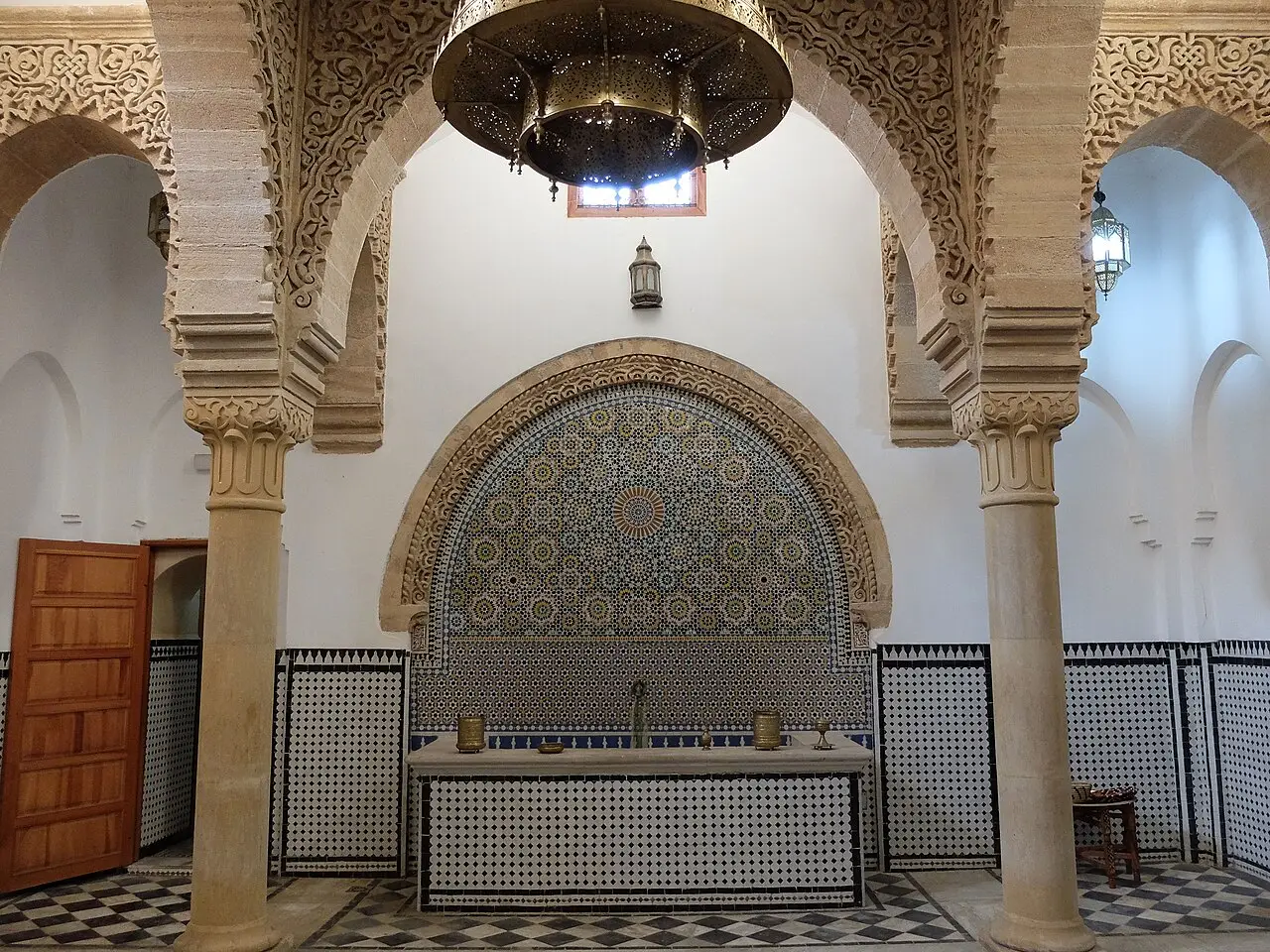
The Moroccan hammam descends from Roman baths and the bathhouses of the medieval Islamic world: a sequence of vaulted rooms, each hotter than the last, heated by a furnace often fed with wood. There is usually no pool. Instead you fill buckets with hot and cold water, mix them to suit you and sit on the warm floor while the steam does its work. For the history of these baths, see the Hammam article on Wikipedia.
In towns and larger villages the hammam is a neighbourhood fixture, alongside the mosque, the bread oven and the fountain. People go with family or friends, often once a week, and chat as much as they wash. Before a wedding or a religious festival, a visit to the hammam is a long-standing custom, and for many families it is simply how the weekend begins.
What are the steps of the ritual?
- Heat: a few minutes in the warm room, then the hot room, until you start to sweat.
- Black soap: an olive-based paste spread all over the body and left for a few minutes.
- Kessa scrub: a rough glove used in long strokes to remove dead skin.
- Rinse with plenty of water, then shampoo.
- Ghassoul, a clay from the Middle Atlas mixed with water or rose water, applied as a mask for skin or hair.
- Rest in the warm room before dressing slowly.
In many public hammams an attendant can do the scrub for you for an extra fee; ask the price at the entrance.
What should you wear and bring to a hammam?
- Underwear or swimwear that you keep on: shorts or briefs for men, briefs or a swimsuit for women
- A towel and plastic flip-flops
- Dry clothes to change into and a comb
- Black soap, kessa and ghassoul, often sold at the entrance or the corner shop
- A bottle of water and change for the entry fee and a tip
Leave jewellery and valuables at your accommodation, and give yourself time: rushing out of a hammam misses the point.
What etiquette should you follow?
Full nudity is not the norm, so simply watch what others do. Do not waste water, do not take the regulars’ spots, and rinse your corner before you leave. Men and women never mix: either the areas are separate or the opening hours alternate, with time slots that vary from one hammam to the next. Speaking softly, offering to scrub your neighbour’s back and smiling are enough to break the ice.
Public hammam or spa hammam: which should you choose?
The public hammam, known as beldi, is the most authentic experience and costs little, but staff speak Darija or Tachelhit and the setting is basic. A spa hammam, in Marrakech riads and hotels, follows the same ritual in elegant surroundings, with scented products and often a massage, at a much higher price. For a first visit, going with someone who knows the place saves you guessing the codes, while the small private hammams of some Marrakech riads offer a gentler introduction if you feel shy.
How do you feel after a traditional hammam?
Without promising miracles, a traditional hammam leaves your skin very soft, gives a deep sense of cleanliness and offers a proper moment of relaxation. Many walkers enjoy one after a day on the trails, for instance after one of our hiking routes around Ouirgane.
Moist heat is not for everyone. If you are pregnant, have a heart condition, high blood pressure or a skin condition, or have any doubt at all, ask a doctor before you go; drink water and step out as soon as you feel unwell.
How can you enjoy a hammam during a stay in Ouirgane?
A traditional hammam is one of the activities we organise from the auberge: tell us your dates and we will explain how it works, the timing and what to bring. It pairs nicely with a walk in the valley or a visit to Asni souk, and you will find more ideas in our guide to things to do in Ouirgane. To see how these rituals fit into local life, read our article on Berber culture in the High Atlas.
Read next: Atlas Mountains Kasbahs: Earth Architecture and Where to See It
How do you book your stay and your hammam?
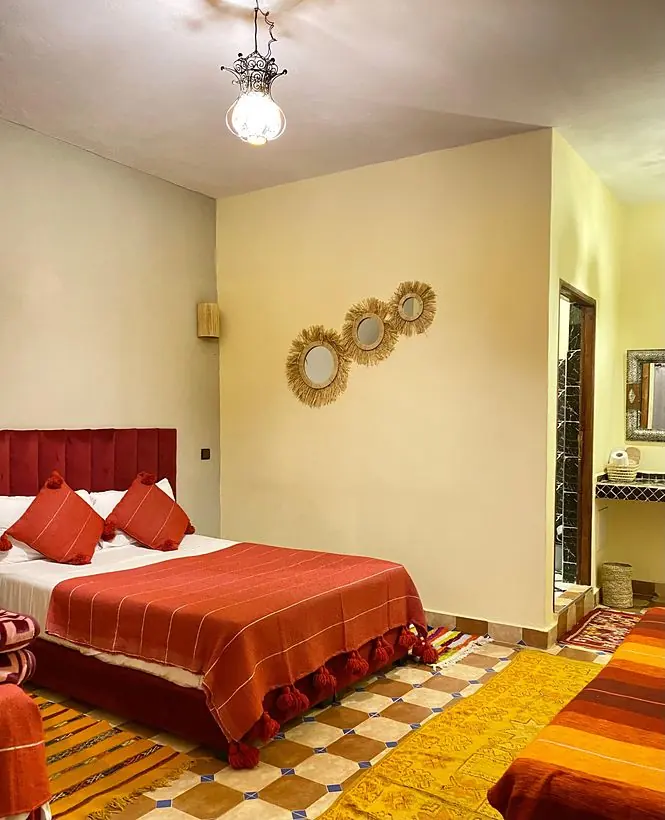
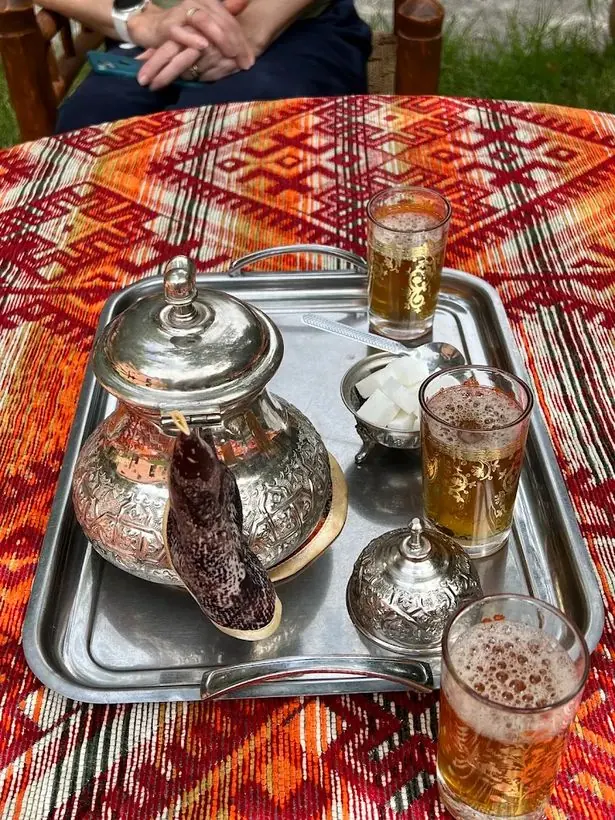
Afterwards, mint tea on the terrace and a quiet evening in your family or double suite keep the relaxation going. All our activities from the auberge can be arranged together with your stay: book your suite direct or send us a WhatsApp message, with no middleman.
Frequently asked questions
How long should you stay in a hammam?
A full session usually lasts between one and one and a half hours, including rest. Beginners can shorten their time in the hot room and take breaks in the warm room; the key is to listen to your body and drink plenty of water.
What is the difference between a hammam and a sauna?
A sauna uses very hot, dry heat, whereas a hammam relies on gentler, moist heat saturated with steam. In a hammam you wash and scrub; in a sauna you simply sweat and then cool down.
Can tourists go to a public hammam in Morocco?
Yes, most public hammams welcome visitors, as long as you respect the men’s and women’s times and local customs. For a first visit, going with someone who knows the place makes the experience much easier.
How often can you have a hammam scrub?
In Morocco many people go to the hammam once a week. If your skin is sensitive, spacing out scrubs is often wiser; if in doubt or if you have a skin condition, ask a dermatologist.
Good tips from the High Atlas
One letter per season: hikes, Rachida’s recipes and early availability. No spam.