
This amlou recipe makes Morocco's favourite Berber spread: roasted almonds, argan oil and honey, blended into a smooth, pourable paste. Amlou comes from the Souss and the Anti-Atlas in south-west Morocco, and is eaten on warm bread at breakfast or with a flatbread at teatime. It takes about half an hour and three ingredients; the real secret is the quality of the argan oil.
Key facts
- Ingredients: roasted almonds, culinary argan oil, honey and a pinch of salt
- Rough proportions: 250 g almonds, about 150 ml argan oil, 3–4 tablespoons honey
- Time: 20–30 minutes in a food processor, plus cooling time for the almonds
- Origin: the Souss region (Agadir, Taroudant, Tiznit) and the Anti-Atlas, home of the argan tree
- Storage: several weeks in a jar, somewhere cool and away from light
- Heritage: know-how linked to the argan tree has been on UNESCO's intangible heritage list since 2014
What is amlou and where does it come from?
The word comes from Tashelhit, the Amazigh language of the Souss. The spread was born where the argan tree grows, a thorny tree found almost nowhere else but south-west Morocco. Families used to crush the roasted almonds in a small hand-turned stone mill until they became a paste, before stirring in the oil and honey.
Amlou is food for sharing, often offered to guests with tea and valued by labourers and walkers alike for its energy. Today you will find it all over the country, including in the valleys of the High Atlas.
The argan tree is a regional symbol: the area where it grows has been a UNESCO biosphere reserve since 1998, and the practices and know-how surrounding it were added to the intangible cultural heritage list in 2014.
What ingredients do you need for homemade amlou?
For a jar of about 400 g:
- 250 g whole almonds, skin on or blanched
- 150 ml culinary (roasted) argan oil
- 3–4 tablespoons runny honey, thyme or wildflower, to taste
- A pinch of fine salt
- Optional: 1 tablespoon icing sugar for a smoother texture
A very common budget version replaces some of the almonds with roasted peanuts. The flavour changes, but the method stays the same.
How do you follow this amlou recipe step by step?
- Preheat the oven to 170 °C. Spread the almonds on a tray and roast for 10–12 minutes, stirring halfway, until golden right through and fragrant.
- Leave them to cool completely: warm almonds give an oily, bitter paste.
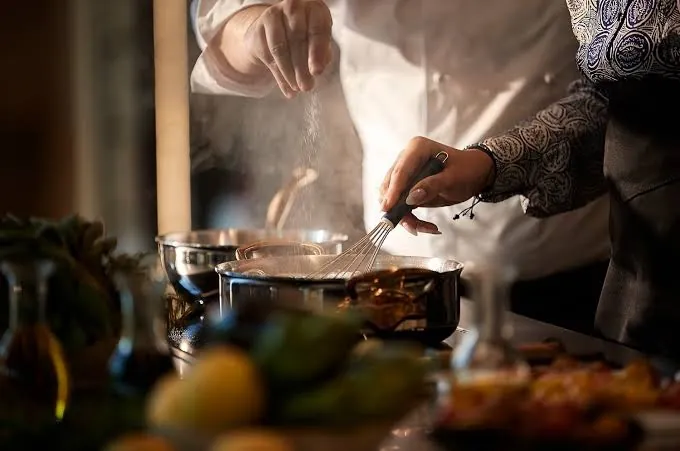
- Blend the almonds with the salt in 30-second bursts, scraping down the sides, until the paste starts to look glossy (5–8 minutes depending on your machine).
- With the motor running, pour in the argan oil in a thin stream, as if making mayonnaise.
- Add the honey and blend for a few more seconds. The texture should be fluid and coating, runnier than a shop-bought spread.
- Taste, adjust the honey or salt, and pour into a clean, dry glass jar.
The oil may rise to the top after a few days; that is normal, just stir before serving.
How do you eat amlou in Morocco?
Dip in a piece of warm bread, a msemen or a baghrir, ideally with a glass of mint tea. It is one of the pillars of a traditional Moroccan breakfast, but it is just as popular in the afternoon. At home it works beautifully on pancakes, wholemeal toast or plain yoghurt. Hikers like to slip a small jar into their rucksack for breaks on the trail. It is rich, though: a spoonful or two is plenty.
How can you tell genuine argan oil?
Culinary argan oil is pressed from roasted kernels: it is amber-coloured and smells of toasted hazelnuts. Cosmetic oil, pressed without roasting, is paler and almost odourless, and it is not meant for amlou. It takes a large quantity of fruit and many hours of hand work to make a single litre, which explains the high price.
A few checks before you buy:
- Buy from a cooperative or a trusted seller
- Look for the words "culinary" or "roasted" and a production date
- Choose tinted glass bottles and be wary of suspiciously low prices, a possible sign of blending
- Smell and taste if you can: rancid or flavourless oil is not good quality
- Once opened, keep it away from heat and use it within a few months
Much of the oil is produced by women's cooperatives in the Souss, for whom it is an important source of income. If you drive the Marrakech to Taroudant road trip, it is a good chance to visit one.
Where can you taste amlou in the High Atlas?
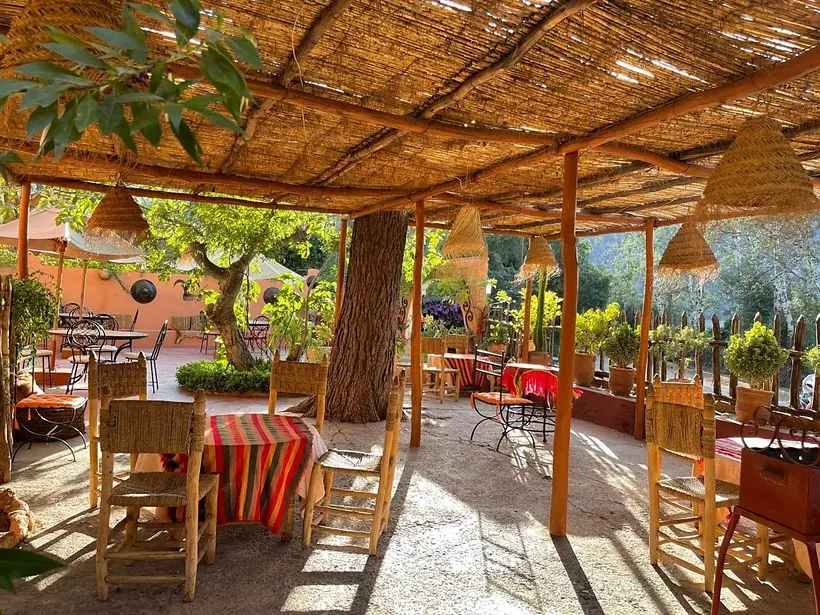
In the valleys around Ouirgane, amlou is one of the treats people like to share with visitors. At the auberge, our homemade breakfast is included with each of our suites; ask us whether amlou will be on the table during your stay, or simply take this amlou recipe home as a souvenir. To discover other mountain specialities, read our guide to Berber food and its classic dishes; the cooking class with Rachida is also one of the activities we organise from the auberge.
Read next: Moroccan mint tea: recipe, ritual and Atlas mountain herbs
Book a foodie stay in Ouirgane
About 1 h 15 from Marrakech, on the shore of Lake Ouirgane, our four suites are ready for a quiet, tasty break. Book directly on our website, with no middleman and no online payment, or message us on WhatsApp.
Frequently asked questions
What does amlou taste like?
Amlou tastes like a rustic praline: the sweetness of honey, the toasted flavour of almonds and the roasted-hazelnut note of argan oil. It is runnier and less sugary than a commercial nut spread.
How long does homemade amlou keep?
Several weeks in a tightly closed glass jar kept somewhere cool and dark, as argan oil can turn rancid in the heat. Always use a clean spoon and stir before serving if the oil has separated.
Can you replace argan oil in amlou?
Technically yes, with a neutral or walnut oil, but you end up with a simple almond and honey paste. Roasted argan oil is what gives amlou its unique flavour, so it is better to use a little less of a good one.
Is amlou suitable for children?
Amlou contains tree nuts, and sometimes peanuts, so avoid it in case of allergy. Honey is also not recommended for babies under one year old. If in doubt, ask your doctor or paediatrician for advice.
Good tips from the High Atlas
One letter per season: hikes, Rachida’s recipes and early availability. No spam.